
I didn’t believe in treatment anymore.
Not because I was too broken. Not because I hadn’t tried. But because I had—and it didn’t work.
I’d done therapy. I’d taken the meds. I’d gone to a six-week intensive outpatient program, sat in the circles, journaled, nodded, smiled, and left feeling exactly the same. Numb. Exhausted. Tired of people telling me I just needed to “give it a chance.”
So, for a long time, I didn’t. I lived inside the gray. Went to work, came home, watched Netflix with the sound off. Ate cereal for dinner and avoided eye contact with my reflection. I wasn’t in crisis. I just wasn’t… in anything.
And I thought: This is probably as good as it gets for me.
I Looked Again, But Only Because I Was So Tired
One night, after lying awake until 4am (again), I typed “depression treatment program Cape Cod” into my phone—not because I expected something new, but because I was out of energy to keep pretending I was fine.
I found a page for Foundations Group Behavioral Health. Their language was quieter than most. No promises. No cure-all talk. Just something about feeling less alone. That phrase hit a nerve.
I filled out the contact form. Hit submit. Fully prepared to ghost if anyone actually replied.
The First Call Didn’t Try to Sell Me Anything
A woman called the next day. She wasn’t pushy. She didn’t use the word “healing” once. She just asked where I was at.
I told her the truth: “I don’t think this is going to help me. But I’m tired of doing nothing.”
She didn’t argue. Just said, “That’s enough of a reason to come in.”
And that felt… different.
I Didn’t Want Another Group Room. I Got Something Else.
I won’t lie: walking into the building made me feel like a failure. Like I was admitting weakness. Like I was about to waste everyone’s time again.
But the intake felt grounded. The staff didn’t look at me like a case. They asked about what hadn’t worked last time. What I didn’t want to repeat. They didn’t hand me a clipboard and walk away. They sat with me while I hesitated. They let the silence breathe.
The first group session was the real surprise.
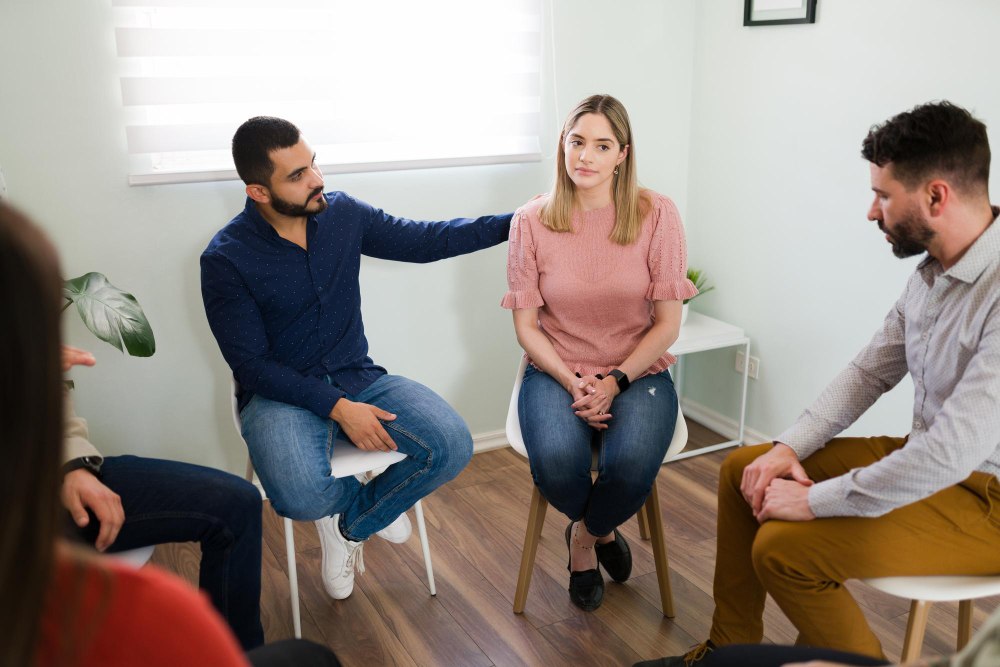
I expected forced sharing and fake breakthroughs. But what I got was real talk from people who were also tired. A guy said, “I’m just here because I didn’t know where else to go.”
And for once, I didn’t feel like the odd one out.
What Helped Wasn’t What I Thought I Needed
Nobody forced positivity on me. Nobody said “everything happens for a reason.”
Instead, the clinicians at Foundations helped me track my patterns. Sleep. Screen time. Internal dialogue. The way I avoided anything that made me feel—even joy. The way I spun out at night but smiled through the day.
They didn’t tell me what to fix. They helped me get curious.
That shift—from fixing to observing—did more for me than any motivational poster or therapy worksheet ever had.
I Was Still Skeptical. And That Was Okay.
In week two, I told my therapist, “I still don’t know if I believe in this.”
She just nodded. “You don’t have to. You’re here. That’s enough for now.”
That permission cracked something open. For once, I didn’t feel like I had to perform progress to earn my place.
And that honesty, ironically, made me want to stay.
A Depression Treatment Program That Let Me Move at My Pace
The structure helped. I had something to show up to. A reason to get out of bed. But it wasn’t rigid. I wasn’t shamed if I had an off day. I wasn’t flooded with assignments I couldn’t keep up with.
This depression treatment program in Barnstable County helped me build back slowly. First, sleep. Then, nutrition. Then, identifying which thoughts were lying to me.
They didn’t fix me. But they gave me tools I could actually use in the real world—not just in a therapy room.
I’m Still Me. But Now I Have Space Inside My Head.
I’m not here to sell you a miracle. I still have bad days. Still cancel plans sometimes. Still wrestle with the voice in my head that says, “Why bother?”
But now, I also have:
- A plan for when those days hit
- A list of people I can call
- Enough self-trust to not spiral every time I slip
This program didn’t “save” me. But it helped me believe that I’m worth saving. Even if I have to do it one small choice at a time.

You Don’t Have to Be Hopeful. Just Honest.
If you’re reading this because part of you is tired but not totally convinced… I get it. You don’t have to believe this will work.
You just have to believe you’re allowed to try again.
No performance. No pressure. Just a place to sit down, say “I’m not okay,” and not be met with advice or shame.
If that’s all you get from treatment? That’s already more than most people get from the world.
FAQs for People Who Think “Treatment Didn’t Work”
What if I already tried therapy and it didn’t help?
You’re not alone. We talk with people every day who’ve been through therapy, IOP, even hospitalization—and still feel stuck. That doesn’t mean you’re the problem. Sometimes, it just wasn’t the right kind of care or the right environment. Our program starts by listening to what hasn’t worked.
Is this just talk therapy in a group setting?
No. While group support is part of the experience, our depression treatment program includes a mix of clinical assessment, practical coping tools, and one-on-one support tailored to your life. We focus on function, not fluff.
Will I have to talk in front of people?
Not if you’re not ready. Many clients start by just listening. There’s no pressure to share before you feel safe. You’re allowed to move at your own pace here.
Can I do this while still working?
Yes. Our outpatient program is designed to fit real life. Whether you’re working full-time, caregiving, or managing other responsibilities, we offer flexible scheduling to help you get care without losing your footing.
What if I don’t trust medication?
That’s okay. You’ll never be forced into a medication plan. If you’re open to exploring it, we’ll walk through options gently. If not, we’ll focus on non-medication support. Either way, you stay in control.
What makes this different from the last place I tried?
We ask that question with you. Our first sessions focus on understanding your story, your resistance, and your needs—not just plugging you into a one-size-fits-all model. If you’ve tried treatment before, you’ll find this experience is built to feel safer, smaller, and more attuned.
You’re Not Broken. You’re Burned Out on False Promises.
And that makes sense. The mental health world can be full of hopeful language that doesn’t always match people’s lived experiences.
But here’s something real:
You don’t have to feel hopeful to try again.
You don’t have to be “ready.” You just have to be tired of pretending you’re fine.
At Foundations Group Behavioral Health, we’re not here to fix you. We’re here to walk beside you while you find what helps.
Feel like giving it one more shot?
Call 888-685-9730 or visit our depression treatment program page to learn more about our services in Cape Cod, MA.