
Some people walk into treatment with hope. I walked in with a chip on my shoulder.
I’d tried therapy. Twice. The first time, I felt like I was performing for a stranger. The second time, I was told I wasn’t “trying hard enough.”
I left both experiences feeling more broken than before—like my depression wasn’t just a condition, but a personal failure.
It wasn’t until I found a depression treatment program that actually met me where I was—not where they wanted me to be—that anything changed. And I’m not going to promise you sunshine and healing arcs. But I’ll tell you the truth: it’s not your fault if treatment hasn’t worked. And there’s still something worth trying.
Foundations Group’s depression treatment program got that. And for the first time, I didn’t feel like I had to fake progress to be taken seriously.
I Wasn’t “Resistant to Treatment.” I Was Misread.
Let’s get one thing straight: if you’ve been in therapy or a program and didn’t connect, that doesn’t mean you failed.
Too many programs are built around compliance—show up, nod along, follow steps. If you can’t, they assume you’re not ready. But what if the treatment wasn’t ready for you?
My old therapist asked me to “envision joy” when I hadn’t smiled in weeks.
The first IOP I tried had an energy like a support group crossed with a sales pitch. And when I pushed back, I got labeled “resistant.” Not questioning. Not self-protective. Just a problem to fix.
What I needed wasn’t more optimism. It was more honesty. A space where I didn’t have to pretend to believe in recovery before I trusted it was even real.
Most Programs Are Built for the Motivated Version of You
And that’s the problem.
Many depression treatment programs are structured around a linear path: start here, improve steadily, complete milestones, graduate. But real depression doesn’t play by those rules.
When getting out of bed feels like lifting a truck, what does “progress” even look like?
Foundations didn’t expect me to be “better” by Week Two. They built a plan that responded to where I actually was. They didn’t panic when I said I was still numb. They didn’t try to motivate me with Pinterest quotes. They just stayed. Listened. Adjusted. That consistency? It mattered more than any tool or worksheet ever could.
Group Therapy Felt Like a Performance—Until It Didn’t
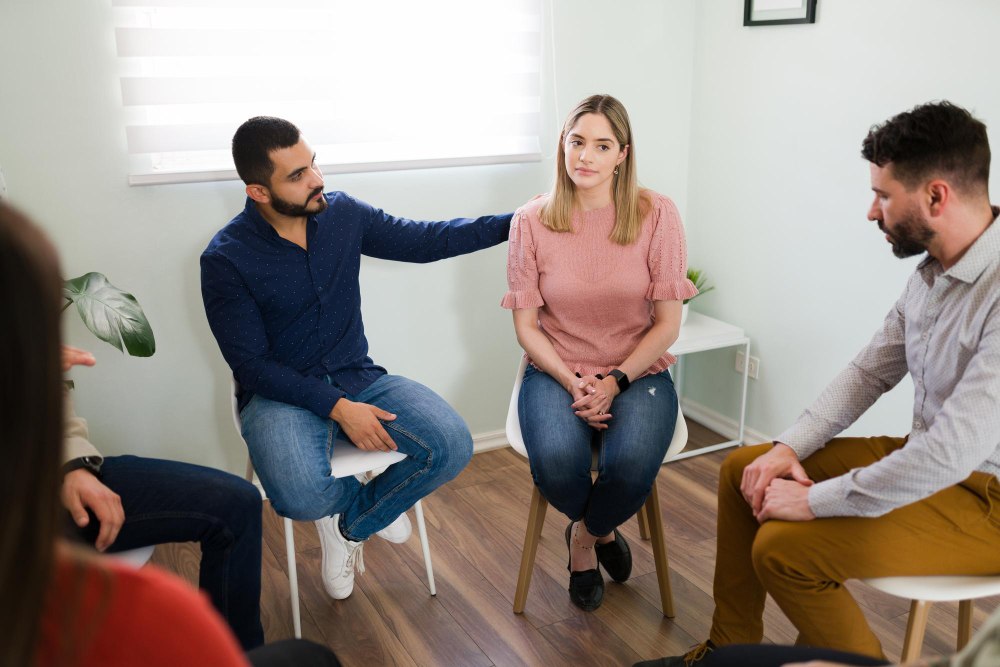
You ever sit in a circle of strangers and wonder if you’re the only one faking it?
That was me. I wasn’t trying to be difficult. I just didn’t know how to be real in front of people who all seemed more “into” the process than I was.
But at Foundations, I ended up in a group where silence wasn’t punished. Where no one forced me to share before I was ready. And the first time someone else admitted they felt nothing, I almost cried.
That space—quiet, raw, no performance—was the first place I didn’t feel like a burden for existing how I existed. And that changed everything.
What Real Progress Looked Like for Me
It wasn’t dramatic.
No breakthroughs. No “aha” moments with music swelling in the background.
It was eating breakfast two days in a row.
It was telling my case manager I hated being alive—and hearing, “Thanks for telling me. I’m not going anywhere.”
It was making it through one full day without that heavy dread sitting on my chest.
Programs that only reward the big wins miss the whole point. Foundations saw the small wins. And they helped me see them, too.
Depression Treatment Shouldn’t Feel Like a Performance Review
You shouldn’t have to sell your pain to get help.
Too many programs focus on progress tracking without acknowledging that some weeks, just surviving is the win. That’s especially true if you’re dealing with long-term, treatment-resistant, or “high-functioning” depression—the kind that doesn’t always show on your face but wrecks you inside.
Foundations didn’t measure my worth by my energy level. They didn’t interpret exhaustion as laziness. They built trust slowly. And once I felt that? I could actually engage—on my terms.
“Try Harder” Isn’t a Strategy
If you’ve heard this before—implicitly or not—I’m sorry.
It’s easy to blame the person when the program doesn’t work. Easier, maybe, than questioning the system.
But real healing doesn’t happen when you push people harder. It happens when you meet them where they are and stay long enough for them to believe you’re not going to leave when it gets messy.
If that’s what you’re looking for, Foundations’ depression treatment program might be worth a second look. Because they’re not here for the performance. They’re here for the process.
If You’re Thinking “What’s the Point?”—This Is
This blog isn’t trying to convince you to hope.
Hope might still feel like a bad word. That’s okay.
But here’s the thing: if you’re still reading this, there’s some tiny voice in you that still wants to be okay. Maybe not tomorrow. But eventually.
That voice deserves a chance to be heard.
And you deserve a treatment space that’s not trying to fix you—but trying to see you.
FAQ: Depression Treatment When You’ve Tried Before
What if I’ve already tried therapy and it didn’t help?
That’s more common than you think. One type of therapy or provider may not be the right fit. Depression treatment programs like Foundations offer multiple approaches—including group therapy, skills-based support, and psychiatric services—so you don’t have to rely on just one path.
How do I know if a depression treatment program is different this time?
Look for signs that the program personalizes your care—not just hands you a packet. Foundations begins with a full clinical assessment and builds a treatment plan with you, not for you.
What if I can’t fake being “positive” just to get through the day?
Then you’re in the right mindset for real treatment. Foundations understands that emotional flatness and numbness are part of depression—not something to ignore. You’re not expected to show up cheerful to get help.
Do I have to be in crisis to start treatment?
No. In fact, many people who seek treatment at Foundations are functioning on the outside but exhausted on the inside. If you’re asking, “Is this as good as it gets?”—you deserve support, even if things don’t look “bad enough” to others.
Can I stop if it’s not the right fit?
Yes. And any ethical program should respect that. But we’d encourage you to talk to your care team first—because sometimes, discomfort is part of growth, and other times, it’s a sign the program isn’t meeting you. Foundations creates space to talk about that.
📞 Ready for treatment that actually sees you?
Call 888-685-9730 or visit to learn more about our Depression treatment program services in Cape Cod, MA. Personalized Mental Health & Addiction Care in Barnstable County & Falmouth, MA.