
I didn’t relapse.
I didn’t disappear.
But somewhere after the first year of sobriety… I stopped feeling alive.
I wish someone had told me that can happen.
If you’re here because recovery suddenly feels flat, I get it. I started looking again at options like a co occurring disorder treatment program Massachusetts offers when I realized sobriety alone wasn’t fixing everything underneath.
And that realization changed everything.
The Part of Recovery Nobody Talks About
Early recovery is loud.
Meetings. Milestones. Applause.
“Keep coming back.”
“Life is amazing sober.”
Then a few years pass.
You’re doing the right things.
You’re stable. Responsible. Reliable.
But inside? It’s quieter than you expected.
Not peaceful quiet.
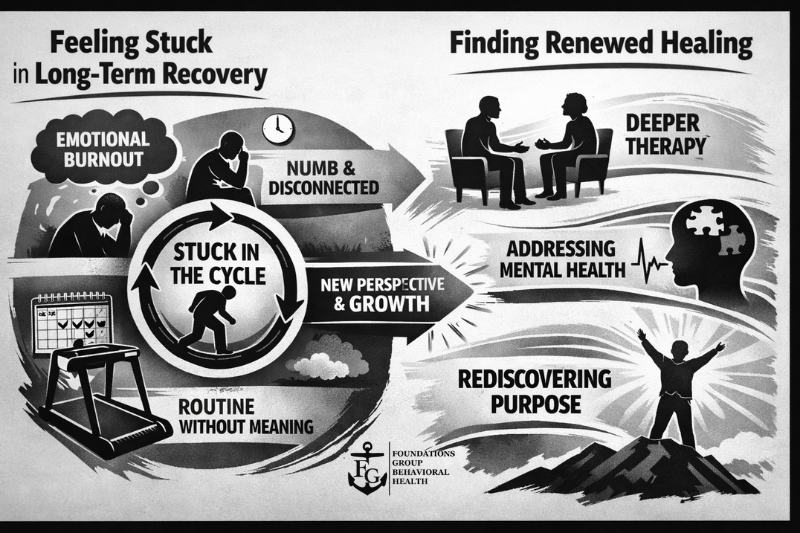
More like emotional static.
I remember thinking:
“Did I get sober just to feel… numb?”
That thought scared me.
When Staying Clean Isn’t the Same as Feeling Well
Here’s the truth I didn’t understand at first.
Sobriety removes the chaos.
But it doesn’t automatically rebuild your inner life.
A lot of us got clean before we fully dealt with:
- Depression that was hiding under substance use
- Anxiety that never actually left
- Trauma that sobriety uncovered
- The weird identity gap of not knowing who you are now
Sometimes what looks like “being stuck in recovery” is actually untreated mental health finally asking for attention.
The Quiet Burnout of Long-Term Recovery
Nobody warns you about recovery burnout.
You keep showing up.
You keep doing the work.
But somewhere along the way, the spark fades.
I started noticing small things:
- Meetings felt repetitive
- I stopped sharing honestly
- Life became routine instead of meaningful
- I felt emotionally distant from people
Not miserable.
Just… disconnected.
That’s a dangerous place to live for a long time.
The Moment I Realized I Needed a Reset
My wake-up call wasn’t dramatic.
No relapse. No crisis.
Just one honest moment where I admitted:
“I’m sober… but I’m not okay.”
That’s when I started exploring deeper support again. Not because I had failed recovery, but because I needed a reset.
I needed space to look at the mental health pieces that were still tangled up with my past.
That’s where structured support—like the kind offered in behavioral health treatment programs Massachusetts—started to make sense again.
Not starting over.
Recalibrating.
Going Back to Treatment Doesn’t Mean You Failed
This was the hardest mental shift for me.
I thought returning to treatment meant I had done recovery wrong.
But the truth?
A lot of long-term alumni circle back at some point.
Not because they relapsed.
Because they’re ready to go deeper.
The second time around looks different:
- You’re more honest
- You’re less defensive
- You actually know what you’re trying to fix
- You stop pretending you’re “fine”
And honestly?
That work can be more powerful than the first round.
The Unexpected Gift of Starting Again
Something surprising happened when I allowed myself to re-engage with support.
The numbness started to crack.
Slowly.
Conversations got real again.
Emotions came back online.
Purpose started showing up in small ways.
Not fireworks.
Not instant transformation.
Just life returning.
Recovery doesn’t have a finish line. It evolves. And sometimes the bravest thing you can do after years sober is admit you need a new layer of help.
If Recovery Feels Flat Right Now, You’re Not Broken
If you’ve been sober a while and things feel hollow…
You’re not ungrateful.
You’re not failing.
You’re not doing recovery wrong.
Sometimes long-term recovery simply uncovers deeper work waiting to happen.
And facing that work might be the next chapter—not the end of the story.
If you’re feeling stuck, disconnected, or emotionally tired, it may help to explore a new level of care.
Call 888-685-9730 or visit our co occurring disorder treatment program Massachusetts page to learn more about our behavioral health treatment programs Massachusetts, co occurring disorder treatment program Massachusetts services.