

Ninety days.
For a while, that number meant everything to me.
Ninety days sober.
Ninety days of rebuilding trust.
Ninety days of proving to myself that I could do this.
I remember celebrating that milestone and believing the hardest part was behind me.
Then something unexpected happened.
The anxiety that alcohol had been helping me ignore suddenly became impossible to avoid.
Not dramatic anxiety.
Not panic attacks every day.
Something quieter.
Something harder to explain.
I couldn’t relax.
I couldn’t stop thinking.
I couldn’t enjoy a good day without worrying about what might ruin it.
At work, I looked fine.
At home, I looked fine.
To everyone around me, I appeared stable.
Inside, I felt like I was carrying a radio that never stopped playing.
Every concern became a headline.
Every uncertainty became a warning.
Every quiet moment became an opportunity for my mind to create another problem.
If you’ve reached a similar place, I want you to know something.
You are not alone.
Many people who successfully address one challenge eventually discover another challenge waiting underneath it.
For some of us, anxiety was always there.
We just didn’t realize how much energy we were spending trying not to feel it.
When I eventually explored an anxiety treatment program in Massachusetts, I discovered something I wish I had understood years earlier:
Getting help doesn’t always require putting your life on hold.
The Anxiety I Thought Was Just Part of My Personality
For years, I described myself as someone who worried a lot.
I thought it was simply who I was.
Responsible.
Careful.
Prepared.
Those words felt better than anxious.
The problem was that my “preparation” never seemed to end.
I prepared for conversations.
Prepared for meetings.
Prepared for disasters that never happened.
Prepared for every possible outcome.
What looked like responsibility from the outside felt exhausting from the inside.
The strange thing about anxiety is that it often disguises itself as productivity.
You feel busy.
Focused.
Alert.
Meanwhile, your nervous system never gets a chance to rest.
Many alumni experience this after recovery.
Without substances covering up emotional discomfort, they begin noticing how often anxiety has been running in the background.
Why I Waited So Long to Reach Out
If I’m honest, I didn’t avoid help because I thought it wouldn’t work.
I avoided help because I was afraid of what it might require.
I imagined treatment as something extreme.
I pictured stepping away from work.
Explaining things to coworkers.
Putting my life on pause.
That fear kept me stuck.
Many people researching anxiety support carry the same concern.
They aren’t resisting help.
They’re protecting their responsibilities.
Their jobs.
Their families.
Their routines.
Their identities.
The irony is that anxiety was already affecting all those things.
I just wasn’t acknowledging it.
I thought I was preserving my life.
In reality, I was spending more and more energy managing symptoms.
The Cost of Looking Fine
One of the most difficult parts of anxiety is how invisible it can be.
When people break a leg, others can see the injury.
When anxiety is controlling your life, people often see the opposite.
They see someone functioning.
Someone working.
Someone showing up.
Someone succeeding.
They don’t see the racing thoughts.
The sleepless nights.
The constant second-guessing.
The exhaustion that follows you everywhere.
Many alumni become experts at appearing okay.
They’ve already survived difficult things.
They know how to push through discomfort.
The problem is that survival skills aren’t always healing skills.
Just because you can keep moving doesn’t mean you aren’t hurting.
The Relapse I Didn’t Expect
When people hear the word relapse, they usually think about substances.
But there’s another kind of relapse that happens quietly.
You relapse into isolation.
You relapse into self-reliance.
You relapse into believing you should handle everything alone.
I did all three.
Instead of reaching out, I withdrew.
Instead of talking about anxiety, I managed it privately.
Instead of asking for support, I convinced myself I needed more discipline.
None of those strategies worked.
Anxiety thrives in silence.
It grows stronger when it goes unchallenged.
The more I tried to manage it alone, the larger it became.
Why “Trying Harder” Usually Doesn’t Work
This was one of the hardest lessons for me.
I thought effort would solve the problem.
I believed if I worked harder, stayed busier, and remained productive enough, anxiety would eventually disappear.
Instead, anxiety adapted.
The busier I became, the more things I worried about.
The harder I pushed, the more exhausted I felt.
Imagine trying to run on a treadmill that slowly increases speed every week.
At first, you keep up.
Then you struggle.
Eventually, you’re sprinting just to avoid falling.
That’s what chronic anxiety often feels like.
The answer isn’t running faster.
The answer is changing the system.
The Support I Didn’t Know Existed
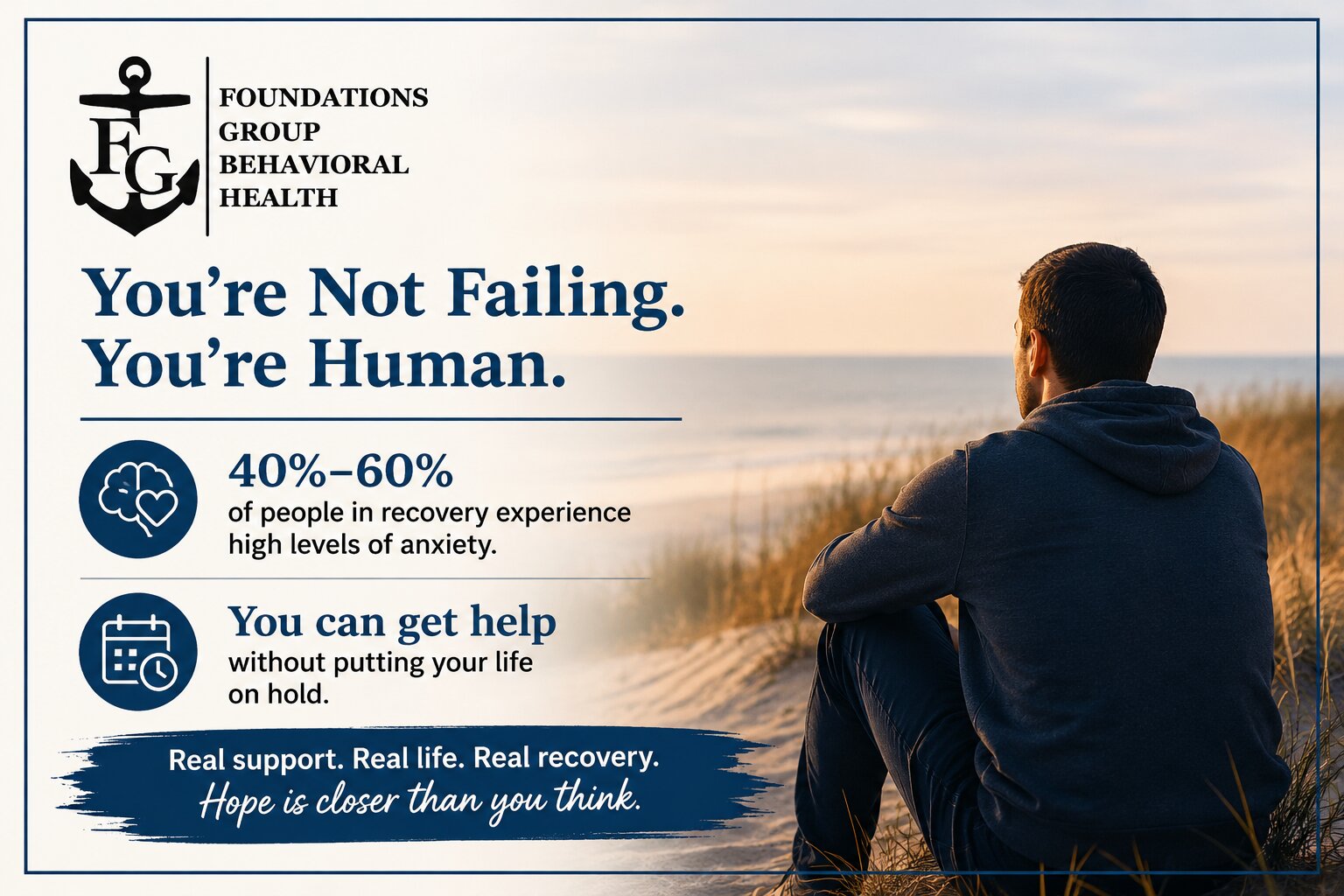
One of the most surprising discoveries was learning that help doesn’t always mean leaving your life behind.
Many people benefit from support that fits around their responsibilities.
They continue working.
They continue parenting.
They continue participating in life.
At the same time, they receive additional structure and guidance.
This realization matters because many individuals searching for an outpatient anxiety program aren’t looking for an escape from life.
They’re looking for a way to participate in life without feeling overwhelmed by it.
That distinction is important.
The goal isn’t withdrawal.
The goal is engagement.
The goal is learning how to live without anxiety constantly sitting in the driver’s seat.
What Changed for Me
The biggest change wasn’t that anxiety disappeared.
It didn’t.
The biggest change was that anxiety stopped controlling every decision.
I stopped assuming every thought deserved my attention.
I stopped treating worry as preparation.
I stopped believing that struggling meant failing.
Instead, I learned practical ways to respond differently.
I developed healthier routines.
I became more honest about what I was experiencing.
I learned how to recognize warning signs before they became overwhelming.
Most importantly, I stopped expecting myself to carry everything alone.
Those changes weren’t dramatic.
But they were life-changing.
Recovery Doesn’t End at Sobriety
This may be the most important thing I can share.
Sobriety is not the finish line.
It’s often the beginning of deeper healing.
Many alumni eventually discover that removing substances creates space to address other challenges that were hidden underneath.
Anxiety.
Depression.
Trauma.
Stress.
Relationship difficulties.
That realization can feel discouraging at first.
It can also be incredibly hopeful.
Because now you’re working on the actual problem.
You’re no longer treating symptoms while ignoring the cause.
You’re building something stronger.
Something more sustainable.
You Don’t Have to Wait Until Things Get Worse
One of the most common things I hear from people who eventually seek help is:
“I wish I had done this sooner.”
Not because they hit rock bottom.
Because they spent so much time convincing themselves they didn’t deserve support.
If anxiety is affecting your sleep, your relationships, your work, or your ability to enjoy life, you don’t need permission to take it seriously.
You don’t need a crisis.
You don’t need a catastrophe.
You don’t need to prove that you’re struggling enough.
You simply need to recognize that carrying everything alone may not be working anymore.
And that’s okay.
Many people throughout Massachusetts begin seeking support while they’re still functioning, still working, and still showing up for life.
They aren’t giving up.
They’re investing in themselves.
That’s a very different thing.
Frequently Asked Questions
Can anxiety become more noticeable after sobriety?
Yes. Many individuals discover that anxiety becomes more apparent once substances are no longer being used to numb or avoid emotional discomfort.
Do I need inpatient treatment for anxiety?
Not necessarily. Some people benefit from support that allows them to continue working and managing responsibilities while receiving care.
Is seeking help after recovery a sign that I’ve failed?
No. Many alumni seek additional support for anxiety, stress, depression, or other mental health concerns. Reaching out often reflects growth and self-awareness.
How do I know if anxiety is affecting my life?
Common signs include difficulty sleeping, constant worry, irritability, racing thoughts, trouble concentrating, physical tension, and feeling unable to relax.
Can anxiety increase the risk of relapse?
For some people, unmanaged anxiety can increase emotional distress and make long-term recovery more difficult. Addressing anxiety can strengthen overall wellness.
What if I can still work and function?
Many people who seek support are still working, maintaining relationships, and handling responsibilities. Functioning does not necessarily mean thriving.
What makes structured support helpful?
More consistent support often provides opportunities to learn coping skills, receive feedback, practice healthier habits, and address challenges before they escalate.
Is it possible to manage anxiety without becoming completely anxiety-free?
Yes. Many people find meaningful relief by learning how to respond differently to anxiety rather than trying to eliminate every anxious thought.
How long does improvement take?
Every person’s experience is different. Progress often happens gradually as new skills, routines, and perspectives become part of daily life.
Is there reason for hope if anxiety has been around for years?
Absolutely. Many individuals who have struggled with anxiety for years experience significant improvements in quality of life with appropriate support and treatment.
Call 888-685-9730 or visit our behavioral health treatment programs Massachusetts page to learn more about our behavioral health treatment programs Barnstable County, MA, anxiety treatment program services in Falmouth, MA.