

I remember sitting in my car after another appointment that was supposed to help.
I wasn’t angry.
I wasn’t hopeful either.
I was tired.
Tired of filling out paperwork. Tired of explaining my symptoms. Tired of hearing that recovery takes time when it felt like I’d already given it plenty of time.
Maybe you’ve felt something similar.
Maybe you’ve tried therapy before. Maybe you’ve taken medication. Maybe you’ve done everything people told you to do and still found yourself struggling months or years later.
When that happens, skepticism isn’t irrational.
It’s human.
Many people who eventually find their way to a bipolar disorder treatment program in Massachusetts don’t arrive feeling optimistic or inspired.
They arrive carrying disappointment.
And sometimes disappointment is heavier than the symptoms themselves.
The Moment Treatment Starts Feeling Like Another Broken Promise
People often assume that someone who hesitates to seek help is avoiding reality.
That wasn’t true for me.
And it may not be true for you.
In many cases, treatment skepticism develops because someone cared deeply about getting better.
They invested effort. They showed up. They followed recommendations.
Then life got complicated.
Symptoms returned.
Stress increased.
Relationships became strained.
The progress they thought was permanent suddenly felt fragile.
After enough experiences like that, it’s easy to develop a quiet belief:
“Maybe this just doesn’t work for me.”
The danger of that belief isn’t that it’s malicious.
It’s that it sounds reasonable.
And reasonable beliefs can keep people stuck for years.
Bipolar Disorder Can Make Progress Difficult to Recognize
One thing that surprised me was how often I judged my progress by the wrong standards.
I thought recovery meant never struggling again.
I thought stability meant feeling good all the time.
I thought improvement meant symptoms disappearing completely.
Real life turned out to be far more complicated.
Sometimes progress looked like recognizing a mood shift before it became overwhelming.
Sometimes it looked like asking for help earlier.
Sometimes it looked like avoiding a crisis that would have happened six months earlier.
The challenge with bipolar disorder is that growth is often subtle.
It’s not always dramatic enough to feel rewarding in the moment.
But subtle progress matters.
Just because recovery doesn’t look the way you imagined doesn’t mean it isn’t happening.
The Insurance Search That Usually Means More Than Insurance
People rarely type insurance-related mental health searches into Google because they’re curious about policy details.
Usually, they’re scared.
They’re sitting at a kitchen table with unpaid bills.
They’re wondering how they’ll afford help.
They’re trying to decide whether reaching out is even realistic.
That’s why searches related to bipolar treatment Massachusetts insurance are so common.
Behind those searches is usually a deeper question:
“Can I actually get help without creating another problem for myself?”
Financial uncertainty can become a major barrier to care.
Some people delay treatment for months because they’re afraid of unexpected costs.
Others assume they won’t qualify for coverage and never call to verify.
The reality is that many behavioral health providers work with insurance plans, including Blue Cross and other major carriers. Coverage details vary, but asking questions about benefits is often the first step toward understanding what options may be available.
You don’t need to have every answer before reaching out.
You simply need information.
Why One Treatment Experience Doesn’t Predict Every Future Experience
When treatment doesn’t go the way we hoped, we often assume the problem was treatment itself.
Sometimes that’s true.
But sometimes the issue is fit.
Think about it this way.
If one pair of shoes hurts your feet, you don’t conclude that shoes don’t work.
You conclude that those shoes weren’t right for you.
Mental health care can be similar.
The therapist who wasn’t a good fit five years ago isn’t every therapist.
The medication that didn’t help isn’t every medication.
The approach that felt ineffective isn’t every approach.
People change.
Symptoms change.
Needs change.
Support systems change.
The version of you seeking help today is not necessarily the same person who sought help before.
That’s why a fresh evaluation can sometimes uncover opportunities that weren’t visible in the past.
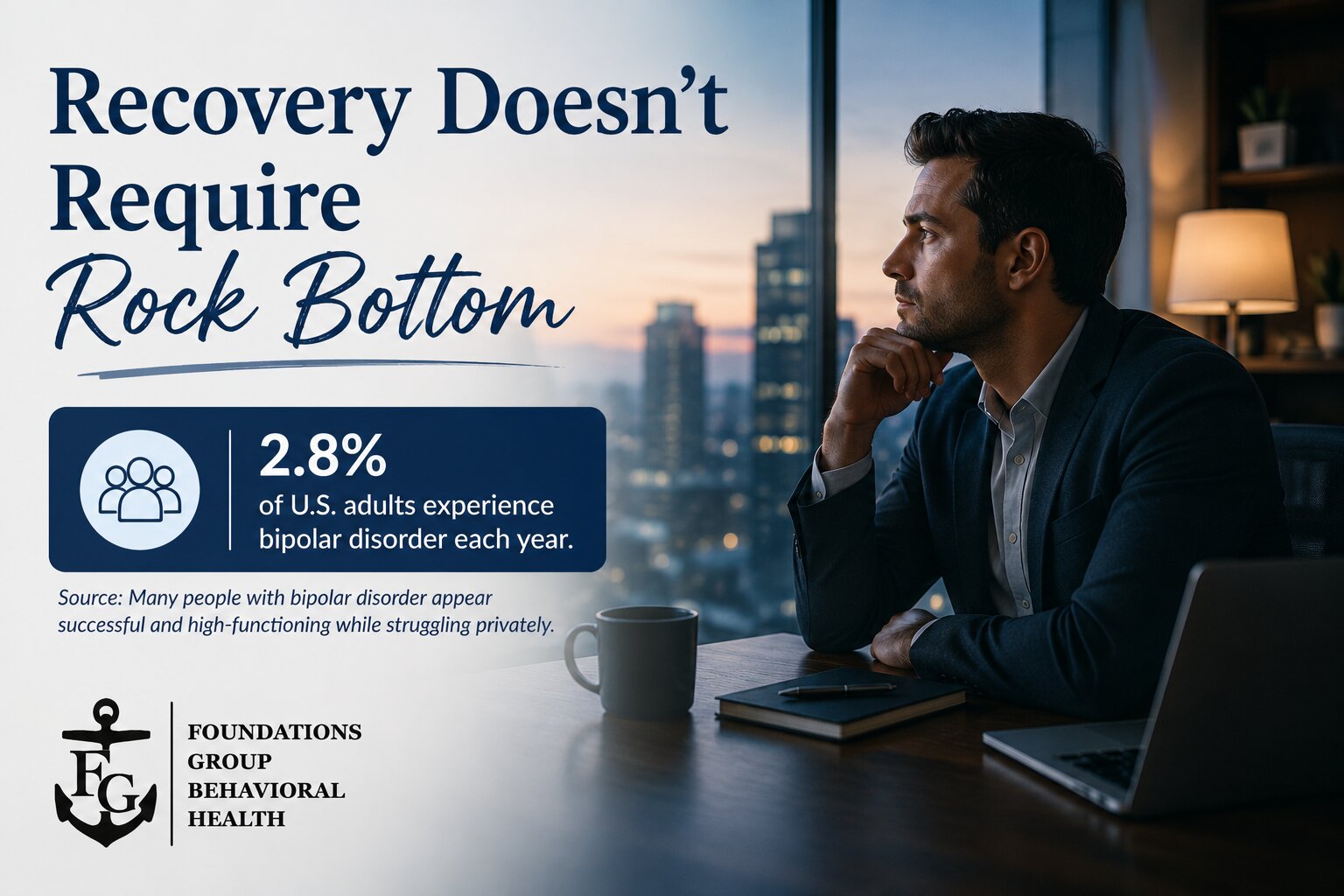
The Cost of Waiting Often Stays Hidden
One reason people postpone getting support is because waiting feels safe.
Making a phone call feels risky.
Exploring treatment feels uncertain.
Doing nothing feels familiar.
But waiting has costs too.
Those costs don’t always show up immediately.
They appear slowly.
Relationships become more strained.
Work becomes harder to manage.
Sleep becomes less predictable.
Motivation decreases.
Stress accumulates.
Eventually, many people realize they’ve been spending enormous amounts of energy simply trying to stay afloat.
The difficult truth is that avoiding treatment doesn’t eliminate risk.
It simply shifts where the risk appears.
You Don’t Need Complete Confidence to Ask Questions
For a long time, I believed I needed certainty before taking action.
I thought I needed to know treatment would work.
I thought I needed confidence.
I thought I needed motivation.
What I eventually learned was that certainty rarely arrives first.
Most people don’t feel confident when they make the call.
They feel nervous.
They feel skeptical.
They feel unsure.
And they call anyway.
That’s often how meaningful change begins.
Not with certainty.
With curiosity.
A single phone call doesn’t lock you into anything.
A conversation doesn’t obligate you.
Gathering information isn’t a commitment.
It’s simply gathering information.
Support Exists Closer Than Many People Realize
Another misconception I carried was assuming help was difficult to access.
Many individuals throughout Massachusetts are surprised to discover support options available near where they live.
Whether someone is exploring treatment in Barnstable County or seeking help in Falmouth, there are often resources available that they didn’t realize existed.
Sometimes the hardest step isn’t finding help.
It’s believing help might actually be worth exploring again.
That emotional hurdle can feel larger than any logistical challenge.
Maybe The Goal Isn’t To Believe Again Overnight
One of the biggest mistakes I made was thinking I needed to become hopeful before I took action.
I kept waiting for motivation.
I kept waiting to feel inspired.
I kept waiting to believe.
Eventually I realized something important.
Hope rarely shows up first.
Action often creates space for hope.
The first appointment may not solve everything.
The first conversation may not erase years of frustration.
But it can create movement.
And movement matters.
A ship doesn’t wait for perfect weather before changing direction.
It adjusts one degree at a time.
If treatment hasn’t worked the way you hoped in the past, that disappointment deserves respect.
But it doesn’t deserve complete control over your future.
The fact that something didn’t help before doesn’t automatically mean nothing can help now.
Sometimes the next chapter begins when you’re still skeptical.
Sometimes it begins when you’re still scared.
And sometimes it begins with a simple willingness to ask one more question.
Frequently Asked Questions
Does Blue Cross typically cover bipolar disorder treatment?
Coverage varies based on your specific plan, deductible, and provider network. Many behavioral health programs work with Blue Cross plans, but the best way to understand your benefits is to contact the provider directly and verify coverage.
What if treatment didn’t help me before?
A previous experience does not determine future outcomes. Different providers, treatment approaches, levels of support, and life circumstances can all influence how effective care feels and functions.
Do I need a formal diagnosis before reaching out?
Not necessarily. Many people contact treatment providers because they are struggling and looking for guidance. An assessment can often help determine what level of support may be appropriate.
Is it normal to feel skeptical about treatment?
Absolutely. Many people seek help after experiencing setbacks, frustrations, or previous treatment experiences that didn’t meet their expectations. Skepticism is common and does not mean recovery is impossible.
How do I know if I need more support than weekly therapy?
If symptoms are significantly affecting your relationships, work, daily functioning, or overall quality of life despite ongoing care, it may be worth discussing additional support options with a qualified mental health professional.
Can I verify insurance benefits before committing to treatment?
Yes. Most treatment providers can help verify insurance benefits and explain potential coverage before you make decisions about care.
Call 888-685-9730 or visit our behavioral health treatment programs Massachusetts page to learn more about our behavioral health treatment programs Barnstable County, MA, bipolar disorder treatment program services in Falmouth, MA.